A promising medical invention can solve a technical problem and still fail to become part of everyday clinical practice. Why? Because a working idea is only one part of medical innovation. Patient needs, clinical acceptance, safety, timing, intellectual property, and commercial viability all affect what happens next.
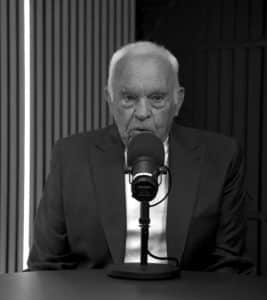
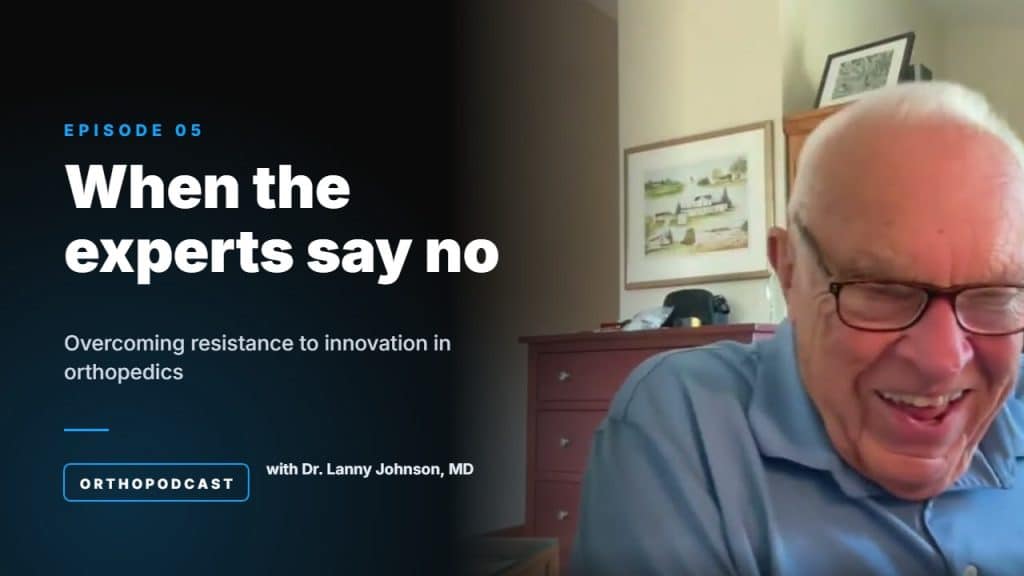
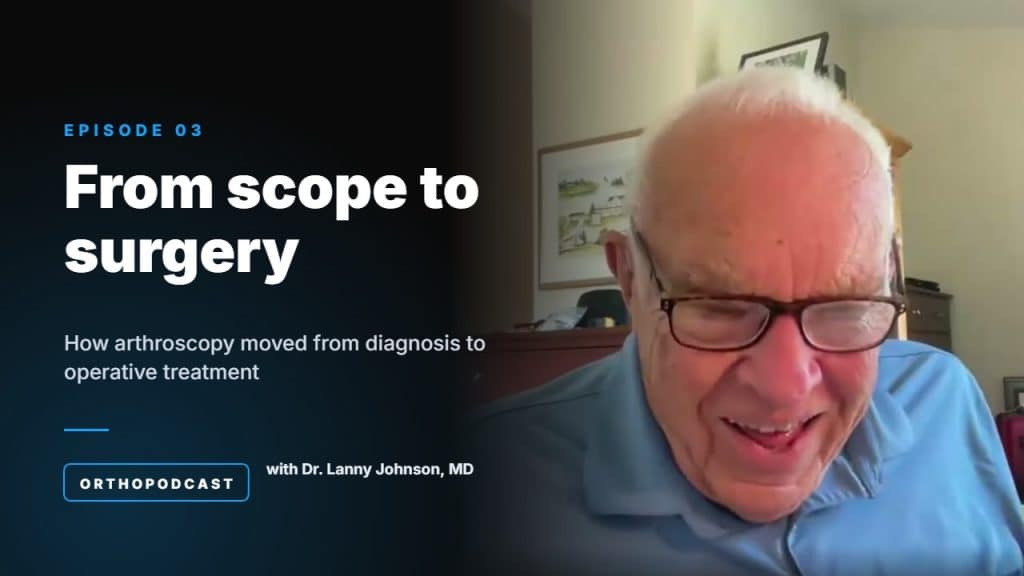
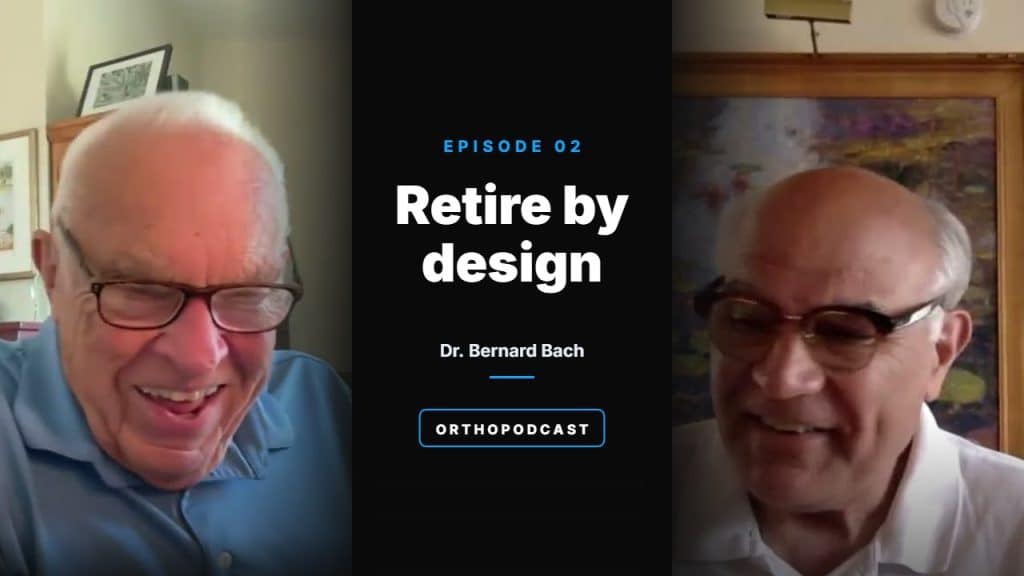
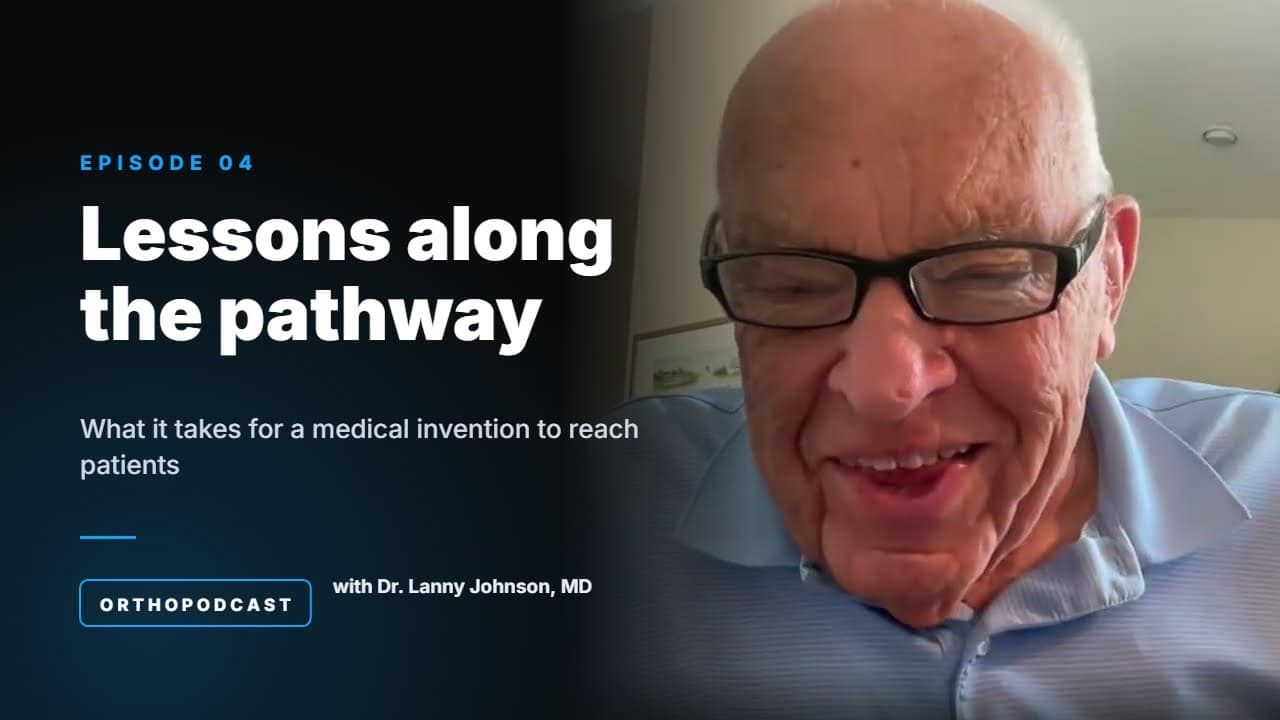
In his presentation, Innovation: Lessons Along The Pathway, orthopedic surgeon and inventor Lanny Johnson, M.D. draws on his experience developing surgical instruments, techniques, and medical products to explain what it takes to move an idea forward. His examples from arthroscopy, joint surgery, and device development offer lessons for anyone interested in how medical inventions succeed, stall, or find a different use than originally intended.
Invention and innovation are different things
An invention begins with an idea, a design, a tool, or a new way to approach a problem. Innovation involves what happens after that initial step: whether the idea can be developed, accepted, and put to use.
That distinction matters in medicine. A device can work as designed without becoming a useful part of clinical practice. The concept may be sound, but clinicians may not see a compelling reason to change their methods. The product may be difficult to manufacture, expensive to develop, or hard to bring to market. An idea can also arrive before the clinical environment is ready for it.
Dr. Johnson’s career provides a practical perspective on this gap between invention and adoption. His work with orthopedic instruments and surgical techniques illustrates that creating something new is only one stage of a longer process.
The question is not simply, “Can this be made?” It is also, “Does it address a problem worth solving, and can it be used in practice?”
That shift in perspective helps explain why the number of ideas an inventor generates is not the same as the number of successful innovations that reach clinicians and patients.
Clinical need should guide medical innovation
A medical invention needs a reason to exist beyond its novelty. The starting point is the clinical problem.
For an orthopedic instrument or surgical technique, that means understanding the procedure, the people performing it, and the needs the proposed solution is meant to address. A device may be technically clever, but if it does not solve a problem that matters in practice, its advantages may not be enough to motivate adoption.
This is one of the central lessons of medical innovation: the strength of an idea depends in part on the problem it solves.
The presentation’s examples from arthroscopy and joint surgery connect invention to the practical realities of orthopedic care. Surgical methods and instruments are developed for specific situations, and their usefulness depends on how well they fit those situations.
A thoughtful inventor therefore has to look beyond the device itself. The relevant questions include:
-
What clinical problem is the invention intended to address?
-
Who will use it, and in what setting?
-
What would make a clinician consider changing an established technique?
-
Does the idea offer a practical advantage that matters to the people using it?
These questions do not guarantee success. They help establish whether an idea has a clear purpose and whether further development is worth pursuing.
A common mistake is to become so attached to a solution that the original problem gets less attention. Keeping the clinical need in view gives an inventor a better basis for evaluating feedback, revising the design, or deciding not to proceed.
Timing and clinical acceptance can determine success
Even an invention with a clear purpose may struggle to gain acceptance. Timing matters because medical practice does not change simply because a new product becomes available.
Clinicians need to understand where an innovation fits, why it is useful, and what adopting it would require. An established technique may be familiar and practical. A new device has to offer a reason to reconsider that routine.
Dr. Johnson discusses clinical acceptance as one of the factors that separates a promising idea from a successful innovation. The lesson is that development cannot be judged only by whether the inventor can demonstrate the concept. The intended users also have to see a reason to adopt it.
Timing adds another layer. An idea may be difficult to introduce when the technology, clinical practices, or commercial conditions needed to support it are not in place. In other cases, a product may reach the market without enough demand to sustain it.
These outcomes are different from a design simply failing to work. They show why an inventor needs to understand the environment around the invention.
Clinical acceptance should not be treated as a final box to check after development. It is a consideration throughout the process. Feedback from the people who would use a product can help identify practical concerns before too much effort is committed to a particular design.
The lesson is straightforward: medical innovation requires both a solution and a path to its use.
Patient safety must remain central
Medical products and surgical techniques have consequences beyond performance or convenience. They are used in clinical settings, where safety must remain a primary consideration.
Dr. Johnson’s discussion of medical product development places safety alongside patient need and commercial viability. These considerations can pull in different directions. An inventor may want to move quickly, protect an idea, or bring a product to market, but those ambitions do not remove the responsibility to consider how the product will be used and what could go wrong.
Safety also affects clinical acceptance. A product that is difficult to use or whose risks are not adequately understood may be difficult for clinicians to adopt. A promising concept still needs appropriate evaluation before its place in practice can be established.
This is especially important when an invention changes how a procedure is performed. The design has to make sense in the real conditions in which clinicians work, not only in the inventor’s original concept.
The presentation’s broader lesson is that medical innovation involves judgment as well as creativity. Knowing when to refine an idea, gather more evidence, or reconsider a proposed direction is part of the work.
Intellectual property is part of the development strategy
An idea may have potential, but developing and commercializing it raises questions about ownership and protection. Dr. Johnson discusses patents and trade secrets as part of the decisions inventors face when they try to move an idea beyond its initial development.
These options are not interchangeable. The right approach depends on the invention and the inventor’s broader plans. A patent may be relevant when formal protection for an invention is part of the strategy. Keeping information confidential may be another consideration in some circumstances.
The important lesson is to think about intellectual property before sharing or commercializing an idea, rather than treating it as paperwork to handle at the end.
Inventors may also need to consider whether to develop a product independently or work with a company that can help bring it to market. Such partnerships can affect how the invention is developed, who controls parts of the process, and how commercial opportunities are pursued.
The presentation does not suggest that one approach will suit every invention. Instead, it points to intellectual property as one part of a larger set of decisions.
Before moving forward, an inventor should have a clear understanding of what has been created, what needs protection, and what role a potential partner might play. Specific legal and patent decisions require advice suited to the individual invention and circumstances.
Commercial viability matters as much as the idea
A medical invention needs a workable route from concept to use. That route may involve further development, manufacturing, company partnerships, costs, and a market willing to adopt the product.
Dr. Johnson’s experience shows why commercial viability belongs in the innovation discussion. A device may be technically promising yet struggle to become a sustainable product. Development and commercialization require resources, and the intended users must have a reason to choose the result.
This creates a practical challenge for inventors. The idea has to make sense as a solution, but it also has to make sense as something that can be produced and brought to the people who need it.
Commercial questions are best considered early enough to inform the development process. They include:
-
What resources would be needed to develop the idea into a product?
-
Is there a clear group of intended users?
-
What might make a company interested in supporting development?
-
Are manufacturing and other commercial requirements compatible with the product’s likely use?
-
Does the idea have a realistic path to adoption?
These questions are not a substitute for technical or clinical evaluation. They address a different part of the problem.
A company partnership may help an inventor advance an idea, but it also introduces decisions about collaboration and intellectual property. The inventor needs to understand what each side contributes and how the arrangement supports the project’s goals.
The larger point is that medical innovation does not happen in isolation. Technical development, clinical needs, and commercial realities all influence whether an invention can reach its intended users.
Failure can reveal a different path forward
Not every promising idea succeeds in its original form. Some projects stall, fail to gain acceptance, or prove difficult to commercialize. Others lead to applications the inventor did not anticipate at the beginning.
Dr. Johnson discusses failure as part of the experience of medical invention. That perspective matters because a disappointing outcome does not always mean that every aspect of an idea lacks merit. Sometimes the intended application is not the right one. Sometimes the conditions needed for success are missing. Sometimes the work reveals a different opportunity.
This does not mean every failed project should be pursued indefinitely. Time, resources, and the reasons for the failure all matter. Learning from a setback requires a clear look at what happened, rather than simply defending the original idea.
Useful questions include:
-
Did the invention address the clinical problem it was designed to solve?
-
Did feedback reveal a limitation in the design or its intended use?
-
Was the difficulty related to timing, acceptance, cost, or commercialization?
-
Could the work have a different application?
-
Is there enough reason to revise the idea, or is it better to stop?
The presentation’s discussion of unexpected applications offers another lesson: the value of an idea may not be limited to its first intended purpose. Experience with a device or technique can reveal possibilities that were not obvious at the outset.
The challenge is to distinguish a genuine new opportunity from a desire to keep an unsuccessful project alive. Evidence, practical constraints, and a clear understanding of the problem should guide that decision.
A practical way to evaluate a medical invention
The lessons from Dr. Johnson’s presentation can be brought together in a simple set of questions. They are not a guarantee of success, but they help an inventor examine an idea from more than one angle before committing to the next stage.
| Area | Question to ask | Why it matters |
|---|---|---|
| Clinical need | What problem does the idea solve? | Establishes a clear purpose for development. |
| Intended use | Who would use it, and in what setting? | Connects the concept to clinical practice. |
| Timing and acceptance | Why would clinicians adopt it now? | Tests whether there is a plausible path to use. |
| Safety | What concerns need to be addressed before adoption? | Keeps patient safety central to development. |
| Intellectual property | What needs protection, and how? | Informs sharing, development, and partnership decisions. |
| Commercial viability | Can the product be developed and brought to its intended users? | Tests whether the idea has a workable route to market. |
| Learning and adaptation | What would justify revising the idea or exploring another application? | Helps turn setbacks into informed decisions. |
These questions should be revisited as an invention develops. An early concept may have a compelling clinical purpose but unanswered questions about cost or manufacture. A later version may address those concerns and reveal new ones.
The process is rarely a straight line from idea to finished product. Inventors may need to revise the design, rethink the intended application, seek a partner, or decide that the project should not continue. Each decision is part of evaluating whether the invention can become a useful innovation.
What to take from Dr. Johnson’s experience
Medical innovation requires more than the ability to invent. It requires an understanding of the clinical problem, the people who will use the solution, and the conditions needed to move it into practice.
Lanny Johnson, M.D.’s presentation draws on orthopedic instruments, surgical techniques, and medical product development to show why promising ideas can have different outcomes. Timing and clinical acceptance matter. So do patient safety, intellectual property, and the realities of commercial development.
His examples also leave room for a less obvious lesson: the first intended use may not be the only possible use, and a setback can provide information that shapes what comes next.
For anyone developing a medical idea, the practical next step is to assess the whole pathway, not just the invention itself.
-
Start with a clearly defined clinical need.
-
Ask intended users what would make the idea useful in practice.
-
Consider timing and clinical acceptance during development.
-
Keep patient safety central to decisions about the product or technique.
-
Address intellectual property before making important sharing or partnership decisions.
-
Examine commercial requirements early enough to inform the plan.
-
Learn from setbacks, and be willing to revise, redirect, or stop a project when the evidence points that way.
The central lesson is simple: an invention is a beginning. Medical innovation depends on what it takes to turn that beginning into something clinicians can use and patients can benefit from.
Frequently asked questions
What is medical innovation?
Medical innovation is the process of developing and putting new medical ideas, devices, products, or techniques into use. In Dr. Johnson’s presentation, the focus is on the path from invention to clinical acceptance and commercial viability.
What is the difference between medical invention and medical innovation?
An invention is a new idea, device, or technique. Innovation involves moving that idea toward practical use. A medical invention may work as designed but still fail to gain clinical acceptance or reach its intended users.
Why do some medical inventions fail?
A medical invention may struggle because it does not address a sufficiently important clinical need, arrives at the wrong time, fails to gain acceptance, raises unresolved safety concerns, or cannot be commercialized successfully. Different projects fail for different reasons.
Why is clinical acceptance important for medical devices?
Clinical acceptance matters because clinicians must see a reason to adopt a new device or technique in their work. A technically promising product may not gain traction if its purpose, practical use, or advantages are unclear to the people expected to use it.
What role does patient safety play in medical innovation?
Patient safety must be considered as a medical product or technique is developed and evaluated. The desire to advance an invention does not remove the need to consider how it will be used and what concerns must be addressed before clinical adoption.
Should medical inventors patent every new idea?
The presentation discusses patents and trade secrets as possible parts of an intellectual property strategy, but it does not establish that one approach is right for every invention. The appropriate choice depends on the particular idea, its development plans, and the circumstances.
Why do medical inventors work with companies?
A company may be able to support development and commercialization of an invention. Partnerships also involve decisions about intellectual property, resources, and responsibilities, so inventors need to understand how a proposed arrangement serves the project.
Can a failed medical invention still be useful?
Possibly. A project that fails in its original application may reveal a limitation, a lesson for future work, or an alternative use. Whether to continue or redirect it depends on what was learned and whether a credible opportunity remains.
What should an inventor consider before commercializing a medical device?
The inventor should examine the clinical need, intended users, safety considerations, intellectual property, development resources, manufacturing requirements, and the path to market. The presentation treats commercial viability as one of several factors that influence whether an invention becomes a successful innovation.